
How to Choose Your First Pet Bird: Matching Species to Your Lifestyle
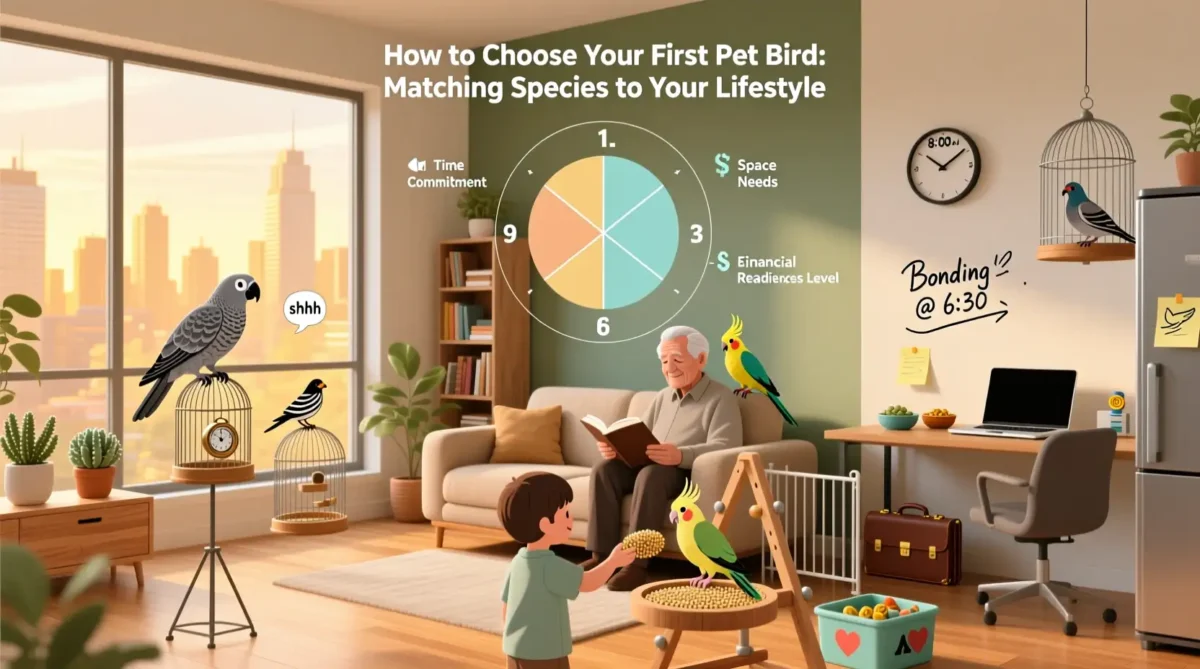
There’s something truly magical about sharing your home with a feathered friend. The cheerful morning songs, the curious head tilts, the way they light up when you walk into the room—it’s no wonder so many people fall in love with the idea of having a pet bird. But here’s the thing I’ve learned from years of watching bird owners thrive (and sometimes struggle): the secret to a happy life with your first bird isn’t just about buying the right cage or the best seed mix. It’s about finding the perfect match between your daily life and your future companion’s personality.
Think of it like dating, but with feathers. You wouldn’t set up a couch-loving homebody with an adventure junkie, right? The same goes for birds. A chatty, attention-loving parrot might drive a busy professional crazy, while a quiet, independent finch might leave a retired couple feeling like they’ve missed out on the connection they hoped for. The truth is, not all birds are cut out for all lifestyles—and that’s completely okay. In fact, recognizing this is the first step toward building a relationship that brings joy instead of stress.
This article isn’t about convincing you to rush out and pick the prettiest bird at the pet store. It’s about taking a thoughtful pause to ask yourself: What kind of life do I actually live, and which feathered friend would truly flourish in it? Whether you’re dreaming of teaching a clever African Grey to say your name, enjoying the sweet melodies of a canary from across the room, or simply wanting a cheerful little budgie to keep you company while you work from home—we’ll help you find your perfect match without the overwhelm.
Because when you get this part right, everything else falls into place. You’ll spend less time worrying about whether you’re doing things “wrong” and more time enjoying those special moments—like when your bird greets you at the door after a long day, or finally masters that silly trick you’ve been teaching them. Let’s start this journey together, one thoughtful step at a time. Your future feathered friend is waiting.
Let’s Get Real About Your Life (Before You Fall in Love with a Bird)
Okay, let’s have a heart-to-heart before we dive into all the beautiful, colorful birds out there. I know it’s tempting to scroll through pictures of gorgeous macaws or listen to those sweet canary songs and think, “I need one of those in my life right now!” Trust me, I’ve been there too. But the most important step in finding your perfect feathered friend actually starts with looking in the mirror.
Think of it like this: bringing a bird into your home isn’t just about what you want—it’s about what kind of life you’re actually living right now. Birds aren’t like that houseplant you can forget to water for a week. They’re living, breathing companions who’ll become part of your daily rhythm. So grab a cup of coffee, get comfortable, and let’s really think about your everyday reality.
Time: The Real Currency of Bird Ownership
Be honest with yourself—how much time do you actually have to give? Some birds are like that friend who texts you constantly wanting to hang out. They’ll need daily interaction, training sessions, and plenty of out-of-cage time to stay happy and healthy. Others are more like the chill roommate who’s happy doing their own thing while you’re at work.
Ask yourself:
- What does your typical weekday look like from morning till night?
- How many hours are you away from home regularly?
- Are you someone who enjoys spending quiet evenings at home, or are you always on the go?
- How much time are you genuinely willing to set aside each day just for your bird?
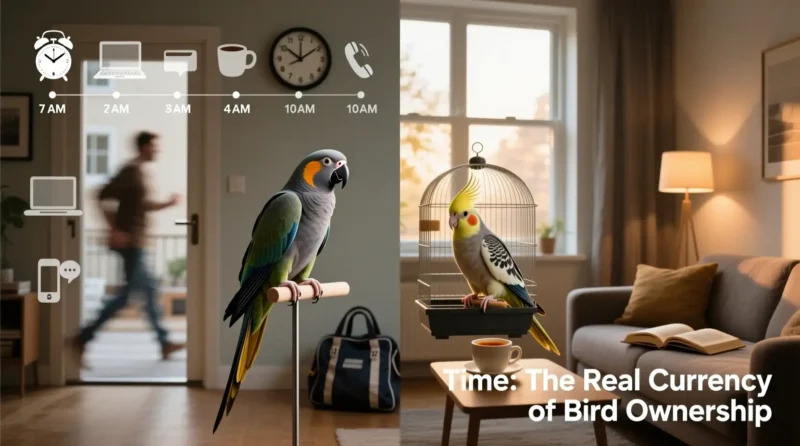
Remember, birds are incredibly social creatures. Even the “independent” ones need attention. And we’re not just talking about the first few weeks—this is a commitment that could last decades. Some parrots can live longer than your current car!
Your Living Space: More Than Just Square Footage
Where you live matters more than you might think. That tiny apartment might be perfect for a quiet canary, but it could be a nightmare for a screaming cockatoo (and your neighbors will definitely let you know about it).
Consider:
- Do you have room for a proper-sized cage plus space for your bird to stretch its wings outside the cage?
- How noise-sensitive is your living situation? Apartments and condos often have noise restrictions for good reason.
- Are there other pets or young children in the home who might stress out a nervous bird?
- Does your landlord allow pets? (Yes, birds count as pets!)
The Money Talk: Let’s Be Practical
I wish I could tell you that bird ownership is cheap, but that wouldn’t be fair to you or your future feathered friend. Beyond the initial cost of the bird itself, there are ongoing expenses that add up quickly.
Think about:
- The cage setup (and trust me, that cute tiny cage at the pet store won’t cut it for most species)
- Quality food that goes beyond cheap seed mixes
- Toys that need regular replacing (birds are surprisingly destructive!)
- Vet bills—avian vets aren’t cheap, and birds hide illness well until it’s serious
A good rule of thumb? If you’re just starting out, budget at least $500-$1000 for setup and the first few months, plus $50-100 monthly for ongoing care. For larger birds? Double or triple that. It’s better to know now than to be surprised later.
Your Experience Level: No Shame in Starting Small
Here’s something nobody tells you: being good with dogs or cats doesn’t automatically make you good with birds. They’re completely different creatures with their own quirks, body language, and needs.
Ask yourself honestly:
- Have you ever cared for any pets before? If not, starting with a high-maintenance bird might be overwhelming.
- Are you patient enough for the slow process of building trust with a creature that communicates differently than we do?
- Do you enjoy learning new things? Bird care involves constant education about behavior, nutrition, and health.
- How do you handle mess? Because let’s be real—birds are gloriously messy creatures!
There’s absolutely no shame in starting with a more beginner-friendly bird. In fact, it’s smart. Building confidence with a resilient species like a budgie or cockatiel can set you up for success if you later decide to move to a more challenging companion.
The truth is, the most successful bird owners I know are the ones who matched their lifestyle to their bird—not the other way around. Taking this time to really understand your own reality isn’t about limiting your dreams; it’s about setting both you and your future feathered friend up for a lifetime of happy moments together.
Ready to see how your lifestyle matches up with different bird personalities? Let’s move on to the fun part—meeting your potential perfect match!
Finding Your Feathered Soulmate (Without the Awkward First Dates)
Alright, let’s get to the fun part—the birds! But before we fall head over heels for that gorgeous macaw video you just saw on social media, let’s talk about real life. Think of this like matchmaking: we’re not just looking for the most beautiful bird in the room, but the one who’ll actually mesh with your daily rhythm.
I’ll never forget my friend Sarah who brought home a beautiful Cockatoo after seeing one dance on YouTube. She’s a nurse who works 12-hour shifts. That poor bird spent most days screaming for attention while Sarah was saving lives at the hospital. Meanwhile, my neighbor Mr. Jenkins—a retired teacher who’s home all day—has the happiest Cockatoo on the block. Same species, completely different outcomes. That’s why we’re breaking this down by lifestyle.
For the First-Time Bird Parent: Start with the “Training Wheels” Birds
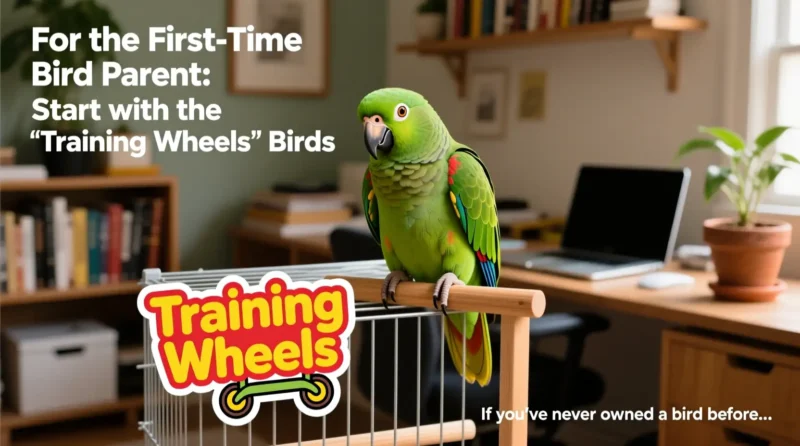
If you’ve never owned a bird before (or if your only experience was a goldfish that didn’t make it past Tuesday), let’s be real—starting with a Green-winged Macaw is like learning to drive in a Ferrari. Fun? Absolutely. Practical? Not so much.
Budgies (Parakeets) are like that friendly neighbor who’s always up for coffee but doesn’t overstay their welcome. They’re affordable, come in gorgeous colors, and can learn to chat with you (literally—they can mimic words!). They’re sturdy enough to forgive beginner mistakes, and their cages won’t require you to move furniture around. Plus, watching them chatter and play with toys is pure joy.
Cockatiels are the Goldilocks of the bird world—not too loud, not too quiet; not too demanding, not too aloof. That sweet crest on their head? It’s like their mood ring. When it’s up, they’re curious; when it’s flat, maybe give them space. They’ll whistle along to your favorite songs and might even learn to say “pretty bird” (which they definitely are). They need daily attention, but they’re not the type to throw a tantrum if you have to take a work call.
Canaries are perfect for the “I love birds but I also love my peace and quiet” crowd. They’re the background singers of the bird world—happy to fill your home with beautiful songs without demanding constant interaction. You won’t be teaching them tricks, but watching them flit around their cage while you read a book? That’s their love language.
If Your Calendar is Always Packed: Birds That Respect Your Schedule
For those of us who measure free time in minutes rather than hours, some birds are naturally more independent.
Finches are like having living art in your home. They’re happiest in pairs or small groups, chirping softly to each other while you tackle your to-do list. They don’t need you to hold them or teach them tricks—they just want a clean cage, fresh food, and space to fly back and forth all day. Perfect for apartment dwellers who want bird energy without the commitment of constant interaction.
Doves might surprise you. They’re gentle, quiet, and have this calming presence. Most enjoy sitting near you while you work rather than demanding your full attention. They’re not big talkers, but they’ll coo softly when they see you, and that quiet companionship can be exactly what a busy person needs when they finally kick off their shoes at the end of the day.
For Families with Kids: Birds That Can Handle the Chaos
If your home sounds like a theme park on a Saturday morning, you need a bird with patience and resilience.
Budgies again shine here—they’re small enough that kids won’t accidentally hurt them, and they’re tough enough to handle some enthusiastic (if slightly clumsy) attention. Plus, kids love teaching them simple tricks like stepping onto a finger. Just remember: supervision is key. No bird should be left alone with a toddler.
Cockatiels are the family dogs of the bird world. They’re sturdy, affectionate, and seem to genuinely enjoy being part of the action. They’ll watch your kids do homework, join family movie nights, and might even let little fingers gently pet their head (after proper training, of course). Their warning? They can be nippy when hormonal, so teaching kids to read bird body language is crucial.
For the Homebodies and Retirees: Birds That Crave Companionship
If your idea of a perfect day involves reading, gardening, or puttering around the house, you might want a bird who’ll keep you company.
Cockatoos are the cuddle bugs of the bird world—they’ll want to be on your shoulder while you cook dinner, sit beside you while you read, and might even try to help you fold laundry (translation: shred it). But here’s the catch: they demand attention like a toddler with separation anxiety. If you’re home most days and genuinely want that level of interaction, they’re magical. If you travel often or have an unpredictable schedule? Maybe not your match.
African Greys are the philosophers of the bird world. They’re not just mimics—they actually understand what they’re saying sometimes. My cousin’s Grey asks for specific foods by name and comments on the weather. But they’re sensitive souls who need mental stimulation and can develop anxiety if ignored. They’re perfect for thoughtful people who enjoy quiet conversations and puzzles.
City Dwellers and Apartment Life: Birds That Won’t Get You Evicted
If thin walls and close neighbors are your reality, noise level isn’t just a preference—it’s survival.
Parrotlets are tiny but mighty. They’re like pocket-sized parrots—full of personality without the ear-splitting volume. They’ll chatter away happily in their cage without disturbing your downstairs neighbor’s nap.
Budgies and Cockatiels (again!) are apartment-friendly when properly trained. A well-socialized Cockatiel will whistle instead of scream, and budgies’ chatter is usually just background noise rather than a wake-up call at 6 AM.
Canaries and Finches are your quiet neighbors’ best friends. Their soft songs and chirps are more likely to get compliments from visitors than noise complaints from the building manager.
The real secret? No matter which bird you’re drawn to, spend time around that species before committing. Visit a friend who has one, volunteer at a bird rescue, or sit in on a bird club meeting. There’s a big difference between loving the idea of a bird and loving the reality of daily life with one.
Next up, we’ll dive into those make-or-break factors that don’t get enough attention—things like how much mess they make, how they handle being alone, and why your future self will thank you for thinking about their lifespan now. But first, grab a snack and take a breath—this is a lot to process, and you’re doing great!
The Real Talk About Bird Ownership (Beyond Just Picking a Species)
Okay, let’s get real for a minute. You’ve probably fallen in love with a particular bird species by now—maybe it’s the rainbow colors of a parakeet or the soulful eyes of a cockatiel. But before you start picking out cage decorations, there are some practical realities we need to chat about. These aren’t deal-breakers, but they’re the kind of things that can make or break your relationship with your feathered friend if you don’t consider them upfront.
The Noise Factor: Will Your Bird Make You the Neighbor Everyone Complains About?
Let’s address the elephant in the room—or rather, the squawking parrot. Birds communicate. A lot. And not all of them understand the concept of “indoor voice.”
I’ll never forget my friend Lisa who brought home a beautiful sun conure without realizing it screams like a fire alarm every single morning at 6 AM. Her apartment building manager showed up with noise complaints after just three days. Meanwhile, my neighbor Bob has a flock of zebra finches whose soft chirping actually helps him relax after work.
Here’s the truth no one tells you: noise level isn’t just about volume—it’s about timing and frequency. Some birds are morning people (looking at you, cockatoos), while others chat throughout the day. And let’s be honest—what sounds sweet and musical to you might sound like nails on a chalkboard to your partner or roommate.
My advice? Visit homes with different bird species before you commit. Spend an afternoon with a friend who has a cockatiel, or volunteer at a local bird rescue. There’s nothing like experiencing the real-deal noise level to know if it’ll work in your space. And please, for the sake of your security deposit, talk to your neighbors first if you live in an apartment!
Space Requirements: It’s Not Just About the Cage
When we think about bird space, most of us picture the cage. But here’s what pet stores don’t show you: birds need room to live, not just exist. That gorgeous macaw isn’t going to be happy in a cage that barely fits its wingspan, no matter how many toys you hang inside.
Think about it this way: your bird’s cage is like their bedroom, kitchen, gym, and living room all in one. They’ll spend most of their life there. But they also need time outside that cage—lots of it. Many birds need 2-4 hours daily of supervised out-of-cage time to stretch their wings, climb, and interact with you.
The reality check: Can your living room handle a 3-foot-wide play gym? Do you have space for a proper-sized cage that won’t block your hallway? And let’s talk about mess—because birds are gloriously messy creatures. Feathers, seed hulls, and the occasional (okay, frequent) droppings happen. If you’re the type who needs a spotless home, a smaller bird like a budgie or canary might be more your speed than a large parrot who flings food everywhere.
I learned this the hard way when my cockatiel, Mango, decided her favorite place to practice flying was directly over my dining table during dinner parties. Let’s just say my white tablecloth never recovered.
Social Needs: Are You Ready to Be Someone’s Everything?
Here’s where many first-time bird owners get caught off guard. Birds aren’t like cats who are happy with occasional pets and some kibble. Most pet birds are intensely social creatures who’ve evolved to live in flocks. When you bring one home, you become their flock.
This means different things for different species. A lovebird might literally scream the house down if left alone for more than an hour. A canary might be perfectly content with your company from across the room. And a cockatoo? Well, let’s just say they form bonds that make your closest human relationship look casual.
The hard truth: If your job keeps you away from home for 10 hours a day, five days a week, most parrots simply won’t thrive. They’ll get lonely, develop behavioral problems, and might start feather-plucking from stress. This isn’t just sad—it’s heartbreaking to watch.
Some options if you’re gone a lot:
- Consider birds that do better in pairs (like finches or budgies)
- Look into species that are more independent (canaries, some doves)
- Be honest about whether this is the right time in your life for a high-need bird
Trust me, I’ve seen too many “impulse buy” birds end up in rescues because well-meaning owners didn’t realize just how social these creatures are. Your bird will love you fiercely—but that love comes with responsibility.
The Long Game: Planning for a Relationship That Might Outlive Your Car
This is the conversation that makes people pause. When you bring home a parakeet, you’re not just committing to a pet—you might be committing to a companion who’ll be with you through career changes, moves, marriages, and maybe even your retirement.
Let that sink in for a moment.
Small birds like budgies might live 7-10 years. Larger parrots? We’re talking 30, 40, even 80 years for some macaws and cockatoos. That’s longer than most marriages, longer than your mortgage, longer than your current career path.
Why this matters: That adorable baby cockatiel you’re eyeing today will still be around when you’re thinking about retirement. Will your living situation still work? Will you have the energy to care for an active bird in your 70s? And heaven forbid something happens to you—who will care for your feathered friend?
I know this sounds heavy, but it’s actually one of the most loving things to consider. My aunt had to rehome her 25-year-old African grey when she moved into assisted living, and both she and the bird were heartbroken. Planning ahead—whether that means choosing a shorter-lived species or setting up a pet trust—shows real care for your future companion.
The good news? When you match your lifestyle to the right bird, these factors become manageable. That canary singing in the corner of your apartment? She’ll bring you joy without demanding constant attention. That cockatiel who greets you at the door every evening? He’ll be your faithful companion through life’s ups and downs.
The key is going in with eyes wide open. Birds aren’t disposable pets—they’re living beings with big hearts and big needs. But when you get it right? There’s nothing quite like the sound of your bird’s happy chirp when you walk through the door after a long day.
Ready to move on to finding your perfect match? Let’s talk about where to actually meet these amazing creatures in the next section.
Finding Your Feathered Soulmate (Without the Heartbreak)
Okay, so you’ve done the homework. You know what kind of lifestyle you’re bringing to the table, you understand the real deal about noise, space, and time commitments, and you’ve got a mental shortlist of species that might work for you. Now comes the fun—and sometimes nerve-wracking—part: actually finding your perfect match.
Let me be honest with you: I’ve seen too many well-meaning bird lovers end up with a feathered roommate who just wasn’t the right fit. Sometimes it’s because they fell for a cute face at the pet store without asking the right questions. Other times, they rushed into adoption without really getting to know the bird’s personality. Trust me, taking this step slowly and thoughtfully will save you—and your future bird—a world of heartache down the road.
Where to Look: Beyond the Pet Store Window
I know that pet store window can be hypnotizing. Those bright eyes, the colorful feathers, the way that little budgie tilts its head when it sees you… it’s easy to feel like you’ve found “the one” on the spot. But here’s what I wish someone had told me when I was starting out: not all birds come from places that have their best interests at heart.
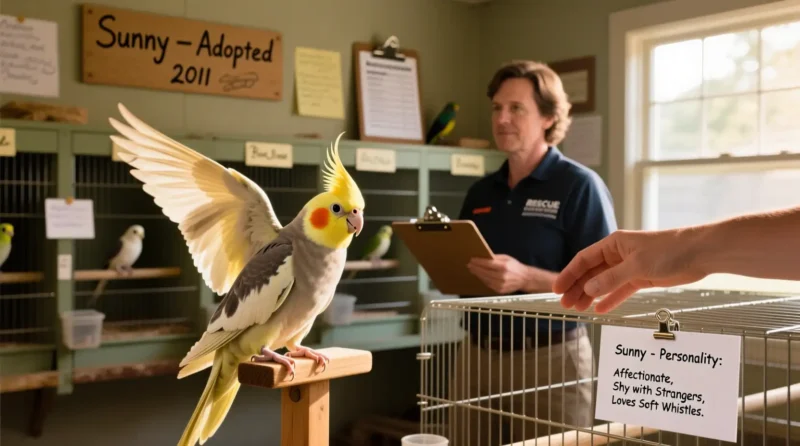
Rescue organizations are honestly some of the most magical places to find a companion. These birds have already been vetted for health issues, their personalities are known, and you’re giving a second chance to a bird who really needs it. Plus, rescue staff know these birds inside and out—they’ll be brutally honest about whether a particular bird would work with your lifestyle. I met my first cockatiel, Sunny, at a local bird rescue. She was three years old and had been surrendered when her previous owner moved overseas. The rescue coordinator spent two hours with me, watching how Sunny reacted to my voice, my movements, even how I held my hands. That bird became my best friend for twelve wonderful years.
Reputable breeders can be fantastic options too—if you do your homework. A good breeder will want to interview you as much as you want to interview them. They’ll ask about your living situation, your experience level, and what kind of time you can commit. They’ll show you where the birds live, introduce you to the parents, and let you spend time with the babies. Red flags? Anyone who won’t let you visit their setup, who has multiple species breeding at once in cramped conditions, or who seems more interested in your money than your ability to care for their birds.
Pet stores… well, let’s just say proceed with caution. Some have great relationships with rescues and take in birds that need homes. Others? Not so much. If you do go this route, ask about the bird’s history. How long have they had it? Where did it come from? Has it been checked by an avian vet? And please—never buy a bird on impulse because it looks sad in its cage. That’s a recipe for disaster for everyone involved.
The Meet-and-Greet: It’s a Two-Way Street
When you find a potential match, think of your first meeting like a really important first date. You’re both trying to figure out if this could work long-term.
Watch how the bird reacts to you. Does it lean forward when you speak softly, or retreat to the back of the cage? Does it make eye contact, or avoid you completely? With hand-fed babies, you might see them climb toward your fingers. With older birds, you might notice if they seem relaxed or constantly on edge.
Ask the current caregiver about the bird’s daily routine. What time does it wake up? When does it like to play? How does it act when it’s been alone for a few hours? These little details tell you so much about whether your lifestyles will mesh.
Most importantly—spend time with the bird over multiple visits if you can. That shy parakeet who hides on day one might be singing to you by day three. The cockatiel who seemed perfect might show territorial behavior once it’s comfortable. Rushing this process is how good-intentioned homes end up with birds that just don’t fit.
Giving It a Test Run (Seriously, Do This)
Here’s my non-negotiable advice: if at all possible, foster before you adopt. Many rescues offer trial periods, and good breeders will work with you on this too. Why? Because birds and humans both need time to adjust.
I’ve seen it happen so many times—a family falls in love with a bird at the rescue, takes it home, and discovers that little Charlie the conure screams every time the vacuum cleaner comes out (and they vacuum daily). Or that sweet cockatiel who was cuddly at the breeder’s becomes terrified when there are children running around the house.
A trial period gives you both a chance to see how this works in real life. How does the bird react to your morning routine? Your TV volume? Your other pets? Your work schedule? And just as importantly—how do you feel after a week of living with this particular bird? Are you exhausted by the noise, or charmed by the chatter? Stressed by the mess, or willing to adjust your cleaning routine?
Watch for the little things during this time. Does the bird seem to relax more each day? Does it start responding to your voice or coming closer when you approach? These are good signs. Does it hide constantly, refuse to eat, or show aggression? These might be red flags—or they might just mean the bird needs more time to adjust. Either way, you’ll know before making a lifelong commitment.
Building Trust: The Most Important Investment You’ll Make
Whether you’re bringing home a baby bird or an adult rescue, trust is the foundation of your entire relationship. And it’s built in tiny moments, not grand gestures.
Start slow. That first week, just sit near the cage and talk softly. Read a book out loud, sing along to the radio—let your voice become familiar and safe. Offer treats through the bars, but don’t force interaction. Let the bird come to you when it’s ready.
With adult birds especially, respect their past. That parrot who was surrendered might have trust issues. That cockatiel who was neglected might be scared of hands. Don’t take it personally—this isn’t about you. It’s about giving them the time and patience they need to believe that this home is different.
I’ll never forget the first week with Mango, a rescue Senegal parrot who was terrified of men. My husband would sit quietly in the room while I fed her, never making direct eye contact, just being present. It took three weeks before she’d even look at him directly, and six months before she’d step onto his hand. But that slow, patient approach built a trust that’s lasted over a decade now.
The most beautiful thing about birds is that when they choose to trust you—when that little budgie climbs onto your finger for the first time, or that nervous rescue cockatoo finally rests its head against your cheek—you’ll know you’ve found something truly special. But that trust is earned, not given. And it starts with finding the right match in the first place.
Ready for the next step? Let’s talk about how to set up the perfect welcome-home setup for your new feathered friend.
Setting Up the Perfect Welcome Mat
Alright, you’ve found your feathered soulmate—now let’s talk about rolling out the welcome mat! I remember when I brought home my first cockatiel, Pip. I was so excited I’d spent weeks researching toys and cage setups, but nothing prepared me for the reality of that first night when he just sat silently in the corner, looking at me like I’d kidnapped him from bird paradise. (Spoiler: he eventually decided I was okay after I bribed him with millet sprays.)
The truth is, how you set up your home and handle those first few days can make all the difference between a nervous, stressed bird and one who quickly settles in as part of the family. Let’s break this down into three parts: getting your space ready, navigating those crucial first days, and making sure you’ve got healthcare covered.
Your Bird’s New Home: More Than Just a Pretty Cage
I know it’s tempting to buy the biggest, most colorful cage you can find—and while size does matter (bigger is almost always better)—there’s more to creating a happy habitat than just square footage.
The cage itself needs to be the right size for your specific bird. That tiny cage that looks adorable in the pet store? It’s like asking someone to live in a closet. Your bird needs room to stretch its wings fully without hitting the sides, space to climb, and separate areas for sleeping, eating, and playing. A good rule of thumb: if you can’t fit your hand comfortably inside to clean it, it’s too small. For most starter birds like budgies or cockatiels, think minimum 18x18x24 inches—but bigger is always better if you’ve got the space.

Location matters more than you think. Birds are flock animals, so they want to be where the action is—but not in the middle of chaos. Avoid placing the cage in direct sunlight (it turns into an oven), near drafty windows or heating vents, or right next to the TV where sudden noises will scare them. The kitchen is a hard no—nonstick cookware fumes can be deadly to birds. Instead, find a spot in your living room or family room where they can watch daily life but have a quiet corner to retreat to when needed.
Inside the cage, think comfort and enrichment. You’ll need:
- Food and water dishes that attach securely to the cage bars (no tipping allowed!)
- Multiple perches of different textures and diameters (natural wood branches are great for foot health)
- A cozy sleep hut or covered corner for nighttime security
- Toys, toys, and more toys—but start simple! Too many new things can overwhelm a new bird. Begin with 2-3 safe options: maybe a wooden chew toy, a bell, and a soft rope toy they can snuggle with.
Safety-proofing your home is non-negotiable. Birds are curious explorers who don’t understand danger. Before your bird ever leaves the cage, do a slow crawl around your living space looking for hazards:
- Cover electrical cords (they love to chew)
- Remove toxic plants (peace lilies, pothos, and philodendrons are common killers)
- Secure windows and ceiling fans
- Put away small objects they could swallow
- Keep toilet lids closed (yes, really—birds drown easily)
- Remove nonstick cookware from the kitchen or use it only when the bird is safely caged elsewhere
Trust me on this one—I learned the hard way when my budgie, Sunny, decided the dangling cord from my lamp looked like the perfect chew toy. A $20 chew toy beats an emergency vet visit any day.
The First Week: Patience is Your Superpower
That first week is all about letting your bird adjust on their own timeline. I know you’re excited to start teaching tricks and building that beautiful bond—but rushing this part is like trying to run before you can walk.
Day 1 is about quiet comfort. Set up the cage exactly as discussed, place it in its permanent spot, and just let your bird observe. Talk softly to them when you walk by, but don’t stare or reach into the cage. Offer their favorite treats near the food dish, but don’t force interaction. Most importantly—resist the urge to constantly check on them. That hovering human can be more stressful than comforting.
Days 2-3 are for establishing routine. Birds thrive on predictability. Feed them at the same times each day, talk to them in the same calm voice, and start introducing quiet background noise they’ll eventually get used to (like soft music or the TV at low volume). This is when you might start seeing little signs of curiosity—maybe they’ll hop closer to the cage bars when you approach, or tilt their head when you speak.
Days 4-7 are when trust begins to bloom. This is when you can start offering treats through the cage bars. Use a flat palm rather than fingers (less threatening), and let them come to you. If they retreat, try again later—no pressure. Some birds will be ready for gentle finger training by day five; others might take months. Neither timeline is wrong.
What not to do during week one:
- Don’t force them out of the cage (let them choose when to explore)
- Don’t invite crowds of people over to “meet” them (too overwhelming)
- Don’t change their food suddenly (stick to what they’re used to initially)
- Don’t leave them alone for long periods (they need reassurance)
Remember that first week with Pip I mentioned? By day three, he still hadn’t made a peep. I was starting to worry I’d made a huge mistake. Then on day four, I sat quietly reading near his cage, and he let out the softest little chirp. That tiny sound meant everything—it was his way of saying, “Okay, human. I think I can trust you.” Those small moments build the foundation for everything that comes after.
Finding Your Bird’s Doctor: This Isn’t Optional
Here’s the hard truth no one wants to hear: birds hide illness incredibly well. By the time they show obvious symptoms, they’re often very sick. That’s why finding a qualified avian veterinarian before you bring your bird home is absolutely crucial—this isn’t something to Google at 2 AM when your bird looks “a little off.”
Why a bird specialist matters: Your regular dog-and-cat vet might mean well, but birds have completely different anatomy, physiology, and health needs. An avian vet has specialized training and equipment for birds—from proper restraint techniques to species-specific medications. I learned this the expensive way when my first vet misdiagnosed Pip’s respiratory infection as “just stress.”
How to find a good one: Start by asking local bird rescues, breeders, or pet stores for recommendations. The Association of Avian Veterinarians (AAV) has a directory on their website, but don’t stop there—call the clinics and ask questions. How many birds do they see weekly? Do they have experience with your specific species? What’s their emergency protocol? A good avian vet will welcome these questions.
Your first wellness visit should happen within the first week of bringing your bird home—yes, even if they seem perfectly healthy. This serves several purposes:
- It establishes a baseline for your bird’s health
- You get to meet the vet when you’re not in crisis mode
- They can check for hidden issues like mites, respiratory problems, or nutritional deficiencies
- You’ll learn how to handle your bird safely during exams
Emergency planning is non-negotiable. Find out which local clinics handle avian emergencies after hours. Keep their number saved in your phone and posted on your fridge. Set aside an emergency fund (even $200-$500 can cover many basic emergencies). And learn the warning signs: fluffed-up feathers when it’s not cold, sitting on the cage floor instead of perches, labored breathing, or changes in droppings lasting more than 24 hours.
I keep a small emergency kit ready at all times: a carrier lined with soft towels, my vet’s number on speed dial, a heating pad (set on low) for warmth during transport, and electrolyte solution in case of dehydration. It’s the kind of preparation you hope never to use—but when you need it, you’ll be grateful it’s there.
The First 30 Days: What to Actually Expect
Let’s be real—those first 30 days aren’t always Instagram-perfect. There will be messy moments, scary vet bills, and times when you wonder if you’ve made a huge mistake. I’ve been there. But knowing what to expect helps you ride the waves instead of drowning in them.
Week 1: Adjustment period. Your bird might be quiet, eat very little, or sleep more than usual. This is normal stress behavior. Focus on routine and patience.
Week 2: Curiosity starts to show. You might hear more vocalizations, see them exploring their cage more actively, and maybe even take a treat from your hand. Start introducing gentle handling if they’re ready.
Week 3: Personality emerges. This is when you’ll start seeing their true character—maybe they’re a chatterbox who loves music, or a cuddler who falls asleep on your shoulder. This is also when bad habits can start forming if not addressed (screaming for attention, biting).
Week 4: Settling in. By now, your bird should be eating regularly, responding to your presence with excitement rather than fear, and showing signs of comfort in their environment. This is when you can start introducing more advanced training and longer out-of-cage time.
The messy reality: Birds poop. A lot. They’ll fling food, scatter seed hulls everywhere, and find creative ways to make messes you never imagined. They might scream at inconvenient times, chew things they shouldn’t, and have days where they just don’t want to interact. This isn’t failure—it’s normal bird behavior.
The beautiful reality: That moment when your bird greets you at the cage door with happy chirps after a long day. The first time they trust you enough to nap on your shoulder. The silly dance they do when they’re excited about dinner. These small moments build into a relationship that’s unlike any other.
One piece of advice I give every new bird owner: keep a little journal during those first 30 days. Write down the scary moments and the joyful ones. Note what foods they love, what toys they ignore, what makes them nervous. This isn’t just for you—it’s valuable information if you ever need to explain their history to a vet or temporary caregiver.
You’re not just setting up a cage—you’re creating a home. And in that home, you’re not just getting a pet; you’re gaining a companion who will teach you about patience, trust, and the pure joy of being truly seen by another living being. That’s worth every messy, challenging, beautiful moment.
Ready for the final stretch? Let’s talk about those common pitfalls to avoid so you can start your journey with eyes wide open and heart ready for the adventure.
Oops Moments We’ve All Been There (And How to Dodge ‘Em)
Alright, let’s get real for a minute. I’ve made pretty much every mistake on this list—and so have most of us who love birds. The good news? These are totally avoidable if you know what to watch out for. Think of this section as your friendly heads-up from someone who’s been down this road before.
The “Oh My Gosh She’s ADORABLE!” Trap
Raise your hand if you’ve ever walked into a pet store, seen a tiny fluffy bird with big eyes, and completely lost your mind. (Yep, my hand’s up too.) Here’s the hard truth: that gorgeous rainbow-colored macaw in the window might be the worst possible choice for your tiny apartment and 9-to-5 job.
I’ll never forget my friend Sarah who bought a beautiful cockatoo because it “danced” to her phone’s music in the store. Six months later, she was desperate—this bird screamed for six hours straight every weekday while she was at work, shredded her curtains, and cost her $300 in vet bills when it got stressed and plucked its feathers. She didn’t research the species’ needs; she fell for the moment.
The fix: Before you even look at birds, write down your non-negotiables: “I need a quiet bird because I work from home,” or “I can only spend 30 minutes a day on interaction.” Then stick to species that match those needs. That gorgeous bird you’re eyeing? Google “problems with [species] birds” before you commit. You’ll thank yourself later.
The “How Expensive Could It Really Be?” Surprise
Let me be honest—I cried when I saw my first avian vet bill. I knew birds needed check-ups, but I didn’t realize that a simple “well-bird” visit costs three times what my dog’s check-up does. And that was before the emergency visit when Pip (my first cockatiel) ate a piece of chocolate he wasn’t supposed to have.
The reality check: That $20 bird at the pet store? It’s actually a $500-$1000 investment in the first year when you add cage, toys, vet visits, and quality food. Large parrots can cost $2000+ annually just for basic care. I learned this the hard way when I had to choose between my bird’s necessary surgery and my car repair.
The fix: Do the math before you bring a bird home. Google “[bird species] yearly cost” and actually budget for it. Set up a separate savings account just for pet emergencies. And trust me—cheap cages and food always cost more in the long run when your bird gets sick or escapes.
The “My Neighbor Will Totally Understand” Delusion
I live in an apartment building. My upstairs neighbor has a dog that barks all day, and somehow I’m the one getting noise complaints when my cockatiel whistles during his morning happy time. Birds are LOUD—some more than others—and not everyone appreciates parrot karaoke at 7 a.m.
The fix: If you rent, actually read your lease and talk to your landlord before getting a bird. Better yet, invite your closest neighbors over for coffee and casually mention you’re thinking about a pet bird—see their reaction. For apartments, stick to quieter species like budgies, cockatiels, or finches. If you dream of a macaw, you might need to live in a house with acreage.
The “Instant Best Friends Forever” Expectation
When I brought Pip home, I expected him to climb onto my finger and snuggle with me immediately. Instead, he hid in the back corner of his cage for three days straight. I panicked—was he sick? Did he hate me? Turns out, he was just scared and needed time to adjust.
Birds aren’t like puppies who wag their tails and lick your face from day one. They’re prey animals with survival instincts that make them cautious. Rushing trust is how you end up with a bird that bites or screams whenever you approach.
The fix: Give it time—weeks or even months. Spend quiet time near their cage reading or watching TV. Offer treats without expecting interaction. Let them set the pace. My cockatiel didn’t step onto my hand until week three, and that was perfectly normal.
The “I’ll Figure Out Vacations Later” Problem
Ever tried finding a pet sitter for a parrot at the last minute? Good luck. Most standard kennels won’t take birds, and those that do often lack proper avian experience. I once had to pay an emergency sitter triple the normal rate because I hadn’t planned ahead for a weekend trip.
The fix: Before you get your bird, research local bird sitters and boarding facilities. Meet them in person, check reviews, and do a trial overnight stay while you’re still home (so you can see how your bird reacts). Better yet, start building relationships with other bird owners in your area—you can trade sitting duties.
The “All Birds Are Basically the Same” Myth
I thought all small birds were like my childhood budgie—easygoing and happy in a small cage. Then I got a lovebird. Oh boy. That little firecracker needed constant attention, destroyed every toy in hours, and was incredibly territorial. I wasn’t prepared for her specific needs because I assumed “small bird = low maintenance.”
The fix: Research your exact species inside and out. Join Facebook groups or forums for owners of that specific bird. Read books written by avian behaviorists. Ask rescue organizations what the most common behavior problems are for that species. What works for a canary won’t work for a conure.
The “I Can Train That Later” Promise
It’s easy to think, “I’ll deal with biting/screaming/feather plucking when it happens.” But by then, those behaviors are deeply ingrained and much harder to fix. I worked with a rescue once where a gorgeous African grey had been rehomed five times because no one addressed her screaming when she was young.
The fix: Learn about common behavior issues for your species before you bring them home. Set up proper routines from day one. Invest in a few sessions with an avian behaviorist or certified bird trainer early on—they’re worth their weight in gold. Prevention really is easier than cure.
The “My Lifestyle Won’t Change” Fantasy
Life happens. You might get a promotion that requires travel, start a family, or move to a smaller home. That bird who was perfect for your single, apartment-dwelling lifestyle might not fit when you’re married with kids in a suburban house (or vice versa).
The fix: Think long-term. Can you still care for this bird if your job changes? If you move? If your health changes? Have a backup plan—a trusted friend or family member who knows your bird, or a relationship with a good rescue organization. I update my “bird emergency plan” every year, just like I do my finances.
Look, nobody gets it perfect right away—not even the experts. I still have days where I question every decision I’ve made with my feathered friends. But knowing these common pitfalls ahead of time means you can sidestep them and start your journey on the right foot.
The most successful bird owners I know aren’t the ones with perfect birds—they’re the ones who went in with eyes wide open, asked for help when they needed it, and weren’t afraid to admit when they’d made a wrong turn. That’s the real secret to a happy life with your first pet bird.
You’ve got this. And when you inevitably hit a rough patch (because we all do), just remember: that little creature looking up at you with those bright, curious eyes? They’re worth every moment of effort. Now let’s wrap this up and get you ready for the adventure!
Wrapping It Up: Your Feathered Adventure Awaits
Well, here we are at the end of our little journey together. I hope by now you’re not feeling overwhelmed, but instead excited and empowered. Choosing your first pet bird isn’t about finding the “perfect” bird—it’s about finding the perfect match for your life, your home, and your heart.
Remember that story I shared about my neighbor with the screaming cockatoo? She eventually found her happy ending—not with that particular bird, but by adopting two sweet finches who fill her quiet apartment with gentle chirps while she reads in the evenings. That’s the magic of getting this right: when you match your lifestyle to the right species, everyone wins. You get a companion who fits seamlessly into your world, and the bird gets a forever home where they can truly thrive.
I know it’s tempting to rush this decision. Those bright eyes and colorful feathers can make your heart skip a beat. But the most beautiful relationships—with birds and with people—are built on thoughtful foundations. Take your time. Visit rescues. talk to experienced bird owners, sit with different species and really listen to what they’re telling you (sometimes literally!).
When you finally bring that little feathered soul home, you’ll know you’ve done the work to give them—and yourself—the best possible start. There will still be messy moments (trust me, birds are gloriously messy creatures), challenging days, and times when you wonder what on earth you were thinking. But then there will be that moment when your bird greets you at the door after a long day, or finally masters that silly trick you’ve been teaching them, or simply chooses to nap on your shoulder while you watch TV. Those are the moments that make all the careful planning worth it.
Your future feathered friend is out there waiting for you—not in some perfect fantasy, but in the real, beautiful, sometimes chaotic world you’re living right now. And when you find each other? That’s when the real adventure begins.
So take a deep breath, trust your instincts, and remember: you don’t have to be a perfect bird owner. You just have to be a thoughtful one. Your perfect match is worth the wait.
Bonus Resources: Add To Your Bird-Loving Toolkit
Ready to dive deeper? Here are some of my absolute favorite resources that have helped me (and countless bird owners I know) along the way. These aren’t just random links—I’ve personally used and loved every single one:
Online Communities Where People Actually Help
- Reddit’s r/parrots and r/budgies – Yes, Reddit can be hit or miss, but these communities are surprisingly supportive. Search before posting (most questions have been answered!), and you’ll find owners sharing everything from vet recommendations to creative toy ideas.
- Facebook Groups – Look for groups specific to your bird species (like “Cockatiel Lovers Unite” or “Budgie Buddies”). The best ones are moderated and require answering basic questions before joining—this keeps out the trolls and impulse buyers.
- Avian Avenue Forums – An older site that’s still gold. More technical than social media, but the avian vet section is worth its weight in gold for non-emergency advice.
Finding Real-Life Bird Friends
- Local bird clubs – Seriously, Google “[your city] bird club” or check with your local pet store. These groups often host meetups where you can handle different species and ask questions face-to-face. My local club saved me from making so many mistakes with my first cockatiel!
- Avian vet directories – The Association of Avian Veterinarians (aav.org) has a searchable directory, but don’t stop there. Call a few clinics and ask: “How many birds do you see weekly?” and “Do you do beak trims on-site?” Good vets welcome these questions.
- Bird-friendly parks – Many cities have parks where people bring their well-trained birds to socialize. It’s like dog parks, but with more squawking and fewer poop bags. A great way to see different species in action.
One Last Piece of Advice
Bookmark this page. Seriously. Come back to it when you’re overwhelmed, when you’re doubting your choices, or when you just need a reminder of why you fell in love with the idea of a pet bird in the first place. This journey isn’t linear—some days you’ll feel like a bird-whispering genius, other days you’ll question every decision you’ve ever made. That’s completely normal.
The most important resource you have is your own heart. You’re already doing the right thing by reading this far. Now go forth, find your perfect feathered match, and get ready for a lifetime of tiny footprints on your heart (and probably your furniture too).
Welcome to the wonderfully messy, endlessly rewarding world of bird ownership. Your adventure starts now.